Thursday, May 31, 2012

Levitation Photos

http://www.cutoutandkeep.net/projects/levitation-photos
*Requires a bit of computer skill saviness but very clear instructions  on the link

Conversation Starters & Hypothetical Situations for Adolescents and Teens


Kick Start: Should violent video games be banned for children under a certain age?  If so, what age?  If not, why not?

Kick Start: Is fairness the same as treating everyone equally?  Can a teacher be fair while treating different students differently?

Kick Start: Consider the following situation: Jared is a very good student who gets good grades and does not usually get in trouble.  William has been suspended three times already this semester and has Cs and Ds in most of his classes.  Both Jared and William get caught while vandalizing the boys’ bathroom.  The assistant principal decides to give Jared five days of in-school suspension while William is suspended for 10 days out of school.  What do you think about the difference in these punishments? Is this fair?

Kick Start: Jennifer knows her parents won't let her go to a party if they find out the host's parents are out of town. Should she lie about it?

Kick Start: What do you do when your friend's dad comes to drive you home from the movie theater, and you can tell that he's drunk?

Wednesday, May 30, 2012

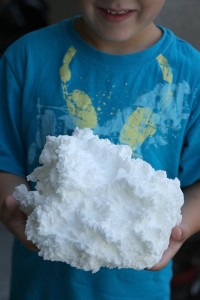
Kitchen Craft: Soap Clouds


http://www.ourbestbites.com/2012/04/kitchen-craft-soap-clouds-and-homemade-kiddie-tub-soaps/

Create moldable soap clouds by microwaving a bar of ivory soap!

Homemade Sprinkler

Cool the kids off with a homemade sprinkler. Take a 2 liter soda bottle, poke holes in it. Attach to a garden hose via a male to male adapter that cost less than $5 at Lowes. Toss over a tree branch and let hang. You can adjust how the water sprinkles by adjusting the water flow. Who comes up with these brilliant ideas?

Tuesday, May 29, 2012

Learn about the Peace Corp


Let the world come alive through Peace Corps-inspired podcasts, videos, slide shows, language lessons, and e-books. 
http://www.peacecorps.gov/wws/multimedia/

Tuesday, May 15, 2012

Khan Academy

Khan Academy is a free online resource for students and learners of all ages. Though there are numerous lessons on the site focusing on a wide array of subjects, the math lessons are the primary focus.

Monday, May 14, 2012

Food Journal

Unconscious snacking is a habit that might lead to overeating and unnecessary weight gain. To help curb this, encourage kids to keep an inventory of their snacking in a food journal throughout the week.

Summer Camps/ Programs in Nashville '12


*Many of the listed camps provide sliding scale and scholarships; when calling families and case managers are encouraged to mention their agency affiliation.

Wednesday, May 2, 2012

Snow Paint

Snow Paint. When it dries, it's this soft spongy art project. Permanent clouds? Cloud writing?

Tuesday, May 1, 2012

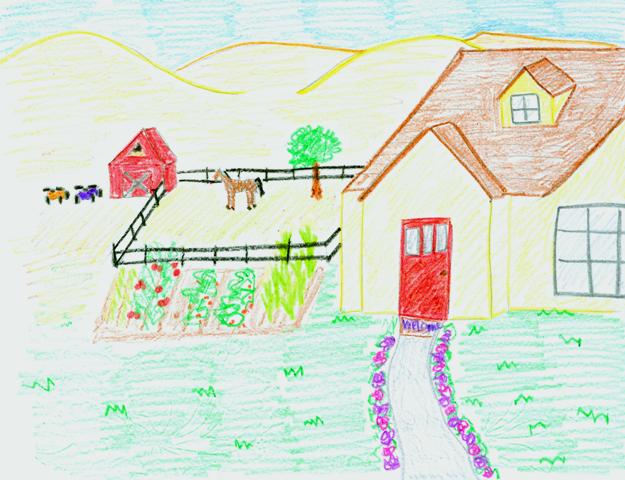
Designing a Dream House: Drawing & Thinking about a "Safe Place"

Issues: Powerlessness, insecurity.
Purpose: To help children design their dream house.
Materials: Crayons or markers, large construction paper, rulers, pencils, and a sample house plan.
Procedure: Discuss the importance of dreams and the ability to think about our dreams whenever we want to. Give each child paper, markers, and other materials necessary to design their dream house. Encourage the children to draw plans of a dream house that they can visit whenever they need to. Younger children can describe the floor plan to you. You can draw the floor plan. They can fill in the details.
Suggestions: Talk about safe places and how everyone needs such a place. Ask them how a safe place would feel to them. Then have them look at their dream house. Is there a safe place for them there? How could they change their plan to include such a place?
Source: Making it Better: Activities for Children living in a Stressful World, Barbara Oehlberg, Redleaf Press, 1996

Dream Family: Storytelling and Drawing

Issues: Lack of Empowerment or sense of control.
Purpose: To help children affirm their right to make choices and have dreams.
Materials: Crayons or paint and paper.
Procedure:  Explain what a foster or adoptive family is. Then tell a story of a child, Henry, from a land far away who traveled to a new city because his parents had died in an accident. Henry had been told he would live with the Cassidy family on Oak Street. But when he got to the house on Oak Street, no one named Cassidy lived there. So, the grown-ups in the city offered Henry the chance to choose the family of his dreams. Although Henry never forgot his first family, he found ways to be happy with his new family.
After the story, ask the children to consider what they would have selected if they had been Henry. Have them draw a picture of that dream family. Assure the children the meaning of their picture will remain personal and private to them.
Source: Making it Better: Activities for Children living in a Stressful World, Barbara Oehlberg, Redleaf Press, 1996

Caring Coupons

Color Out All of the Anger and Sadness

Purpose: To teach children they have the ability to change their feelings and to comfort themselves.
Materials: Crayons and unlined paper.
Procedure: Suggest that children, when they need to, take a red-orange crayon and color out all the anger within them. Ask if they can feel the anger moving through their arms and hands as it leaves their body and becomes color on the page.
Suggest that children, when they need to, take a blue crayon and do the same to color out all the sadness or loneliness within them.
Ask the children what they can do, if they want to, to change their feelings. Ask what color they would color themselves when they choose to get angry when another person is angry. Then ask them what color they would color themselves not to get angry when another person is angry.
Source: Making it Better: Activities for Children living in a Stressful  World, Barbara Oehlberg, Redleaf Press, 1996
Wearing My Heart on My Sleeve: Healing Play

Issues: Unexpressed Feelings
Purpose: To help children identify, respect, and communicate feelings.
Materials: Variety of colored paper hearts (laminated hearts are an option) and double stick tape or regular masking tape.
Procedure: Post colored hearts on a wall along with a list of suggested meaning for colors. You may use the list here or encourage children to select their own meanings for the colors.
Blue: Sad
Blue Green: Worried
Brown: Frustrated
Dark Green: Comforted
Gold: Strong
Green: Cooperative
Navy Blue: Scared
Orange: Angry
Pink: Jolly or silly
Purple: Betrayed
Red: Happy
Silver: Lonely, brittle, cold inside
Yellow: Hopeful
Encourage the children to wear hearts, when they want, to communicate how they are feeling. You and other adults should participate. The hearts could be reusable and stored in a special place.
Source: Making it Better: Activities for Children living in a Stressful  World, Barbara Oehlberg, Redleaf Press, 1996

Magical Glasses: Activities Using Healing Play

Issues: Distrust of environments and adults.
Purpose: To provide opportunities to build security and trust.
Materials: Children’s plastic sunglasses and several pieces of different colored cellophane.
Procedure: Give a child different colored cellophane and encourage them to look through different colors. Discuss how items in the room, such as classmates, look through different colors but stay the same without the colored cellophane. Introduce and explain the statement “looking at the world through rose-colored glasses” means everything looks bright and hopeful. Consider these questions for discussion: How might someone use their imagination to change the way a place looked and how they felt about it? Looking through what colors might make a place look safe? Comforting? Peaceful? Relaxing?
Encourage the child to wear their sunglasses if they need or want to change their view of the room so it is more comfortable for them.
Source: Making it Better: Activities for Children living in a Stressful  World, Barbara Oehlberg, Redleaf Press, 1996